
Top Waterproofing Products for Reliable Moisture Protection
Explore the leading waterproofing solutions designed to safeguard your property from water damage and ensure lasting durability.
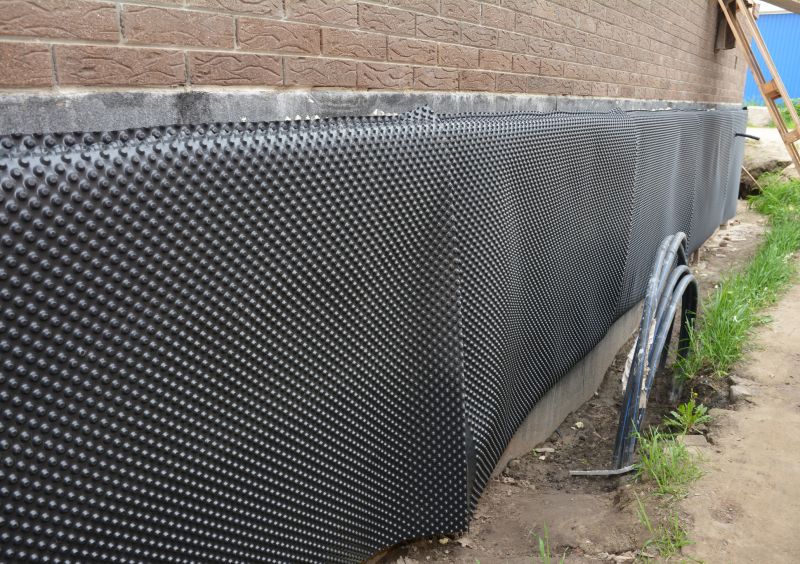 Waterproofing products are essential solutions for protecting structures, foundations, and surfaces from water intrusion and moisture damage. They come in various forms, each suited to different applications, whether for sealing basements, waterproofing roofs, or safeguarding outdoor surfaces. Proper selection and application of waterproofing materials can help prevent issues like mold, structural deterioration, and water stains, contributing to the longevity and integrity of buildings.
Top Overall Option
Universal Waterproofing Sealant
A versatile and highly adaptable sealant that can be used on various surfaces including concrete, masonry, and wood. It provides a flexible, durable barrier against water infiltration and is suitable for both indoor and outdoor applications. Easy to apply with a brush, roller, or sprayer, this product is designed to form a seamless waterproof layer that helps protect structures over time.
Types of Products For Waterproofings
Liquid Waterproofing Membranes
Fluid coatings that create a seamless, flexible barrier when applied to roofs, decks, or foundations. They are typically applied with a brush or roller and cure to form a waterproof layer.
Sheet Membranes
Pre-fabricated sheets made from rubber, bitumen, or other materials that are adhered or mechanically fastened to surfaces for durable waterproofing.
Bituminous Coatings
Asphalt-based coatings that provide a protective waterproof layer, often used on foundations and below-grade surfaces.
Polyurethane Coatings
High-performance coatings offering excellent elasticity and adhesion, suitable for roofing and structural waterproofing.
Cementitious Waterproofing
Water-based cement mixes that are applied to concrete or masonry surfaces, creating a waterproof barrier through chemical bonding.
Acrylic Waterproof Coatings
Water-based coatings that provide UV resistance and flexibility, ideal for roofs and exterior walls.
Silicone Waterproofing Sealants
Flexible sealants that resist weathering and UV damage, used around windows, joints, and cracks.
Polyurea Coatings
Rapid-curing, highly durable coatings suitable for industrial and commercial waterproofing applications.
Crystalline Waterproofing
Chemical treatments that penetrate concrete and form crystals to block water passage from within the structure.
Hydrophobic Dyes and Treatments
Products designed to repel water from porous surfaces, often used on brick or stone.
Popular Choices
Flexible, durable coatings suitable for roofing, basements, and ponds, providing a seamless waterproof layer.
Self-adhesive or torch-applied sheets that are commonly used on flat roofs and decks.
Elastic coatings that expand and contract with temperature changes, ideal for exterior walls and roofs.
Insulating and waterproofing spray foam that offers high adhesion and flexibility.
Paint-like coatings that can be applied directly to concrete surfaces for additional water resistance.
Coatings that combine asphalt with rubber particles for enhanced flexibility and waterproofing.
Flexible caulks used to seal joints, cracks, and gaps around windows, doors, and other penetrations.
Hard, chemical-resistant coatings suitable for industrial floors and tanks.
Specialized paints formulated to add a waterproof layer to exterior walls and surfaces.
Sealants that repel water and are used on porous surfaces like stone and brick.
Different environments and surfaces require specific waterproofing approaches. For example, basement walls often benefit from liquid membranes or sealants that form a continuous barrier, while roofing applications might utilize specialized coatings or membranes designed to withstand weather exposure. The choice of product depends on factors such as surface type, exposure level, and the extent of waterproofing needed.
In addition to traditional liquid or membrane options, there are also sheet-based waterproofing materials that provide durable barriers for foundations or flat roofs. These products are often designed for easy installation and long-term performance, making them popular choices among contractors and DIY enthusiasts alike. Proper surface preparation and adherence to manufacturer instructions are crucial for optimal results.
Selecting the right waterproofing product involves understanding the specific requirements of your project, considering environmental conditions, and evaluating the compatibility with existing structures. Regular maintenance and inspection can also extend the effectiveness of waterproofing solutions, ensuring that your property remains protected from water-related issues over time.
Key Buying Considerations
- Type of surface to be waterproofed (concrete, wood, masonry, etc.)
- Application environment (indoor, outdoor, below grade, roof, etc.)
- Flexibility and elasticity needed for the surface movement
- Durability and resistance to UV, weather, and chemicals
- Ease of application and drying time
- Compatibility with existing materials and surfaces
- Waterproofing coverage area per unit
- Curing time and maintenance requirements
- Long-term performance and lifespan expectations
- Cost considerations and budget constraints
- Adhesion properties and surface preparation needs
- Environmental conditions during application (temperature, humidity)
- Presence of cracks or structural issues requiring specialized solutions
- Warranty or guarantee offered by the manufacturer
- Compliance with local building codes and standards